July 2014

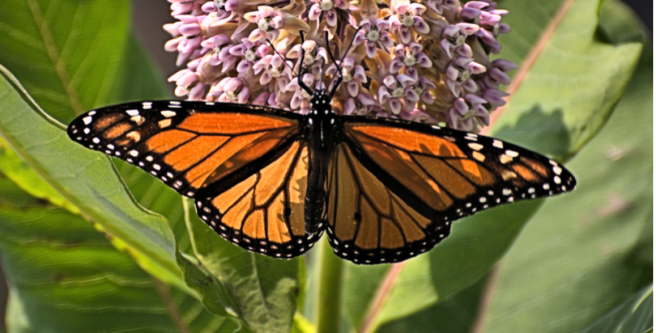
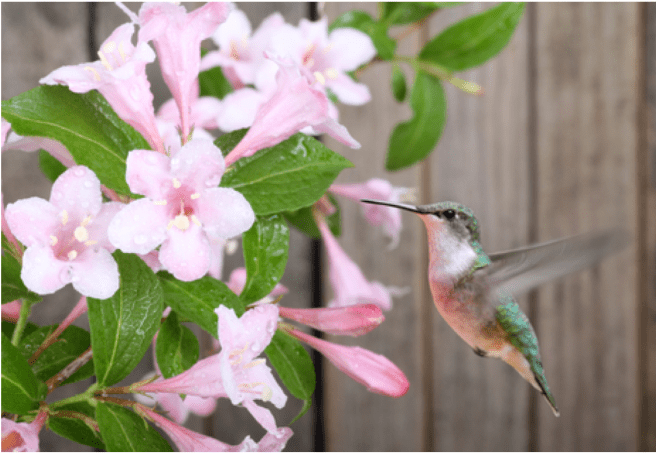
One glance at a butterfly, and it’s easy to agree that a garden is lovelier with these creatures in it. Beyond their ethereal beauty, consider the magnificent role that butterflies play as some of the 200,000 different species of pollinators on the planet.
Of this vast number, 199,000 include various species of bees, moths, butterflies, and beetles. Only a relatively tiny 1,000 account for all the world’s glittering varieties of hummingbirds, as well as bats and other small mammals. Yes, even bats are part of this equation.
Now factor in that 75% of all flowering plants rely on pollinators, and you can see why these creatures are so important to the biodiversity of life on earth.
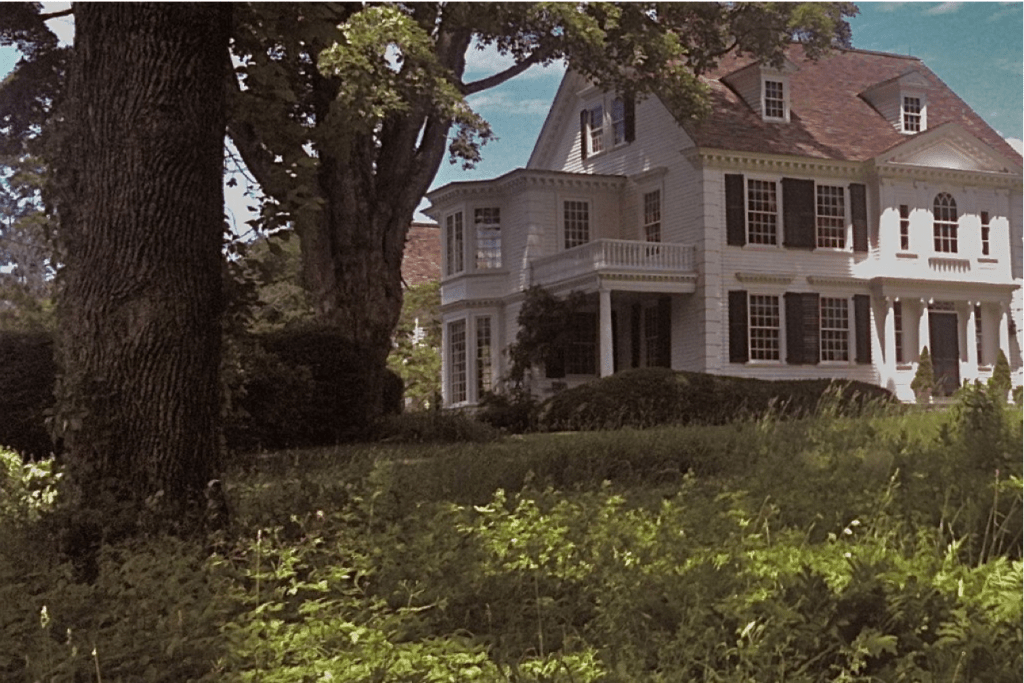
Last weekend, I attended a workshop at the Bellamy-Ferriday House on gardening for hummingbirds, butterflies, and bees, the most recent offering in an landscape workshop series led by site horticulturist George McCleary, an expert in organic gardening.
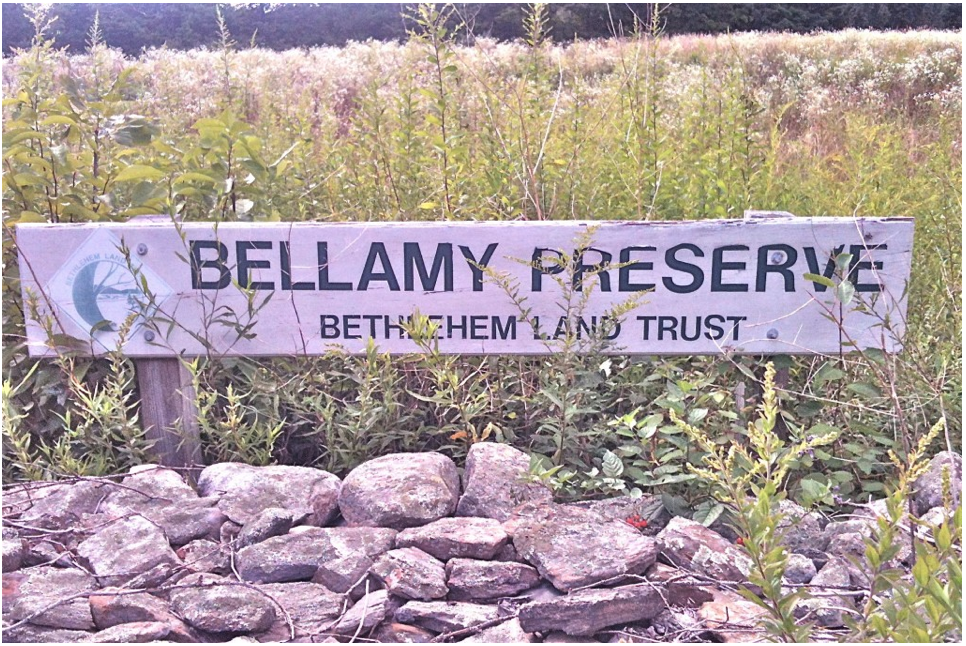
The site also serves as a Monarch Butterfly Waystation, maintained in collaboration with the Bethlehem Land Trust. Surrounding the house, 80 acres of forest and fields form a biodiverse area known as the Bellamy Preserve.
Throughout the summer, special events give visitors the chance to learn about the life cycles of butterflies and to watch caterpillars devouring milkweed, the sole source of food on which the larvae of Monarch butterflies depend. Using examples of plants on the property, George discussed how he maintains Bellamy-Ferriday’s landscape in ways that protect pollinating species.

The Bellamy-Ferriday property is a unique historic landscape that blends a formal parterre garden with an orchard, extensive meadows, and surrounding woodland. A windbreak of trees flanks the garden on one side, offering essential protection for pollinating species of birds, butterflies, and bees.
Historic gardens are an ideal canvas for attracting these species, because they contain old varieties of perennials that are primed by nature to charm pollinators. Old-fashioned flowering plants tend to contain more nectar than newer cultivars, which are often bred for other characteristics at the expense of scent. In historic gardens, you’ll also find traditional methods for maintenance that are gentle on the earth.

On the land around the house and formal garden, George cultivates prime pollinator habitat by maintaining the jewelweed, joe pye weed, and goldenrod that have called this landscape home long before the Bellamys or the Ferridays ever did.
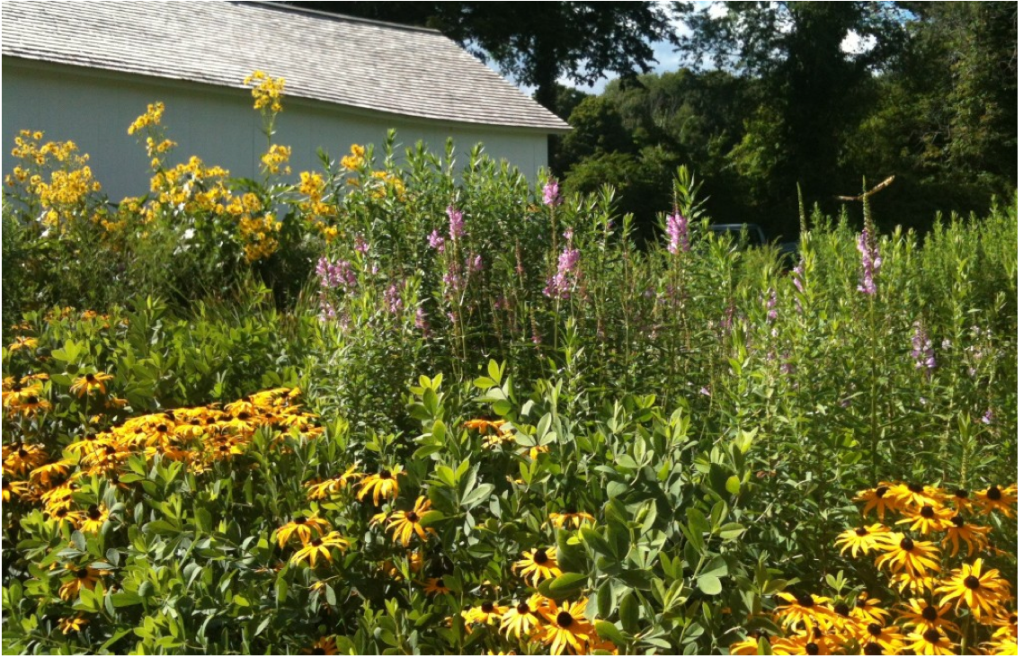
But every other year, he mows down these plants to knock out poison ivy, which can spread like wildfire, threatening the fruit trees as well as a ‘red vein’ Enkianthus that attracts a bevy of winged things, vibrating with a perpetual buzz of bees that are plump with nectar.
As in any naturalized landscape, the Bellamy-Ferriday property contains many flowering plants that have evolved over time, in tandem with their pollinating species. It seems that native plants and their pollinators were made for each other. Who doesn’t love a good love story?

Gardens with a high density of diverse plants are most attractive to pollinators. The possibilities are extensive, but consider adding phlox, purple coneflower, goldenrod, zinnia, nettle, yarrow, snapdragon, aster, mum, coreopsis, cosmos, fennel, sunflower, sweet pea, broccoli, cabbage, nasturium, lupine, lavender, marjoram, oregano, thyme, parsley, and dill… to name just a few.
Be sure to place a bowl with mud in your garden to give butterflies a place to drink and obtain materials. Butterflies ‘taste’ through their feet, and the mud is necessary for enabling them to drink, which they do through a process called ‘wicking.’
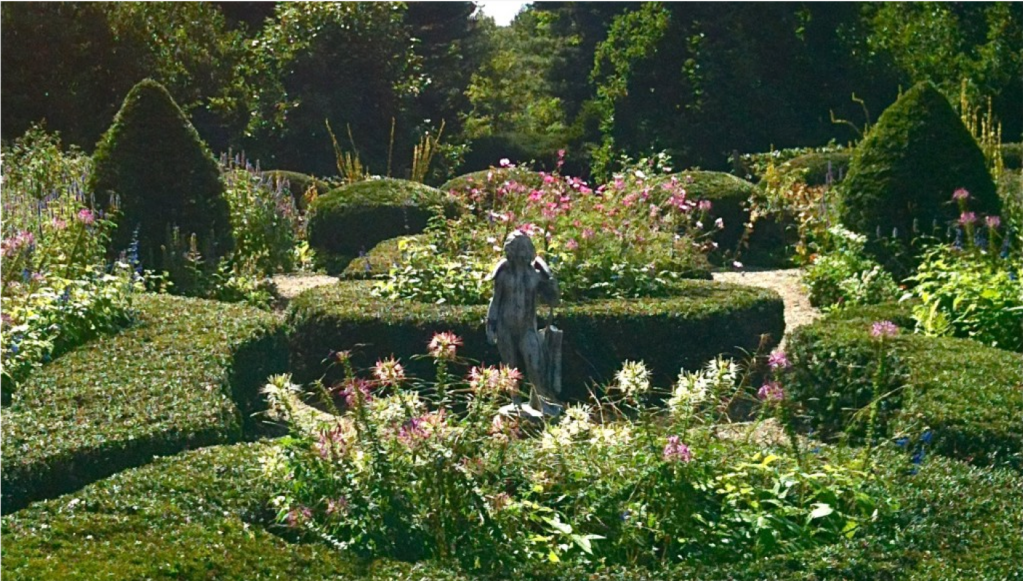
The formal parterre garden at Bellamy-Ferriday features stylized sections that George keeps filled to the brim to produce a succession of blooms all season. This not only means an enticing palate of changing colors for visitors, but also a continuous supply of nectar.
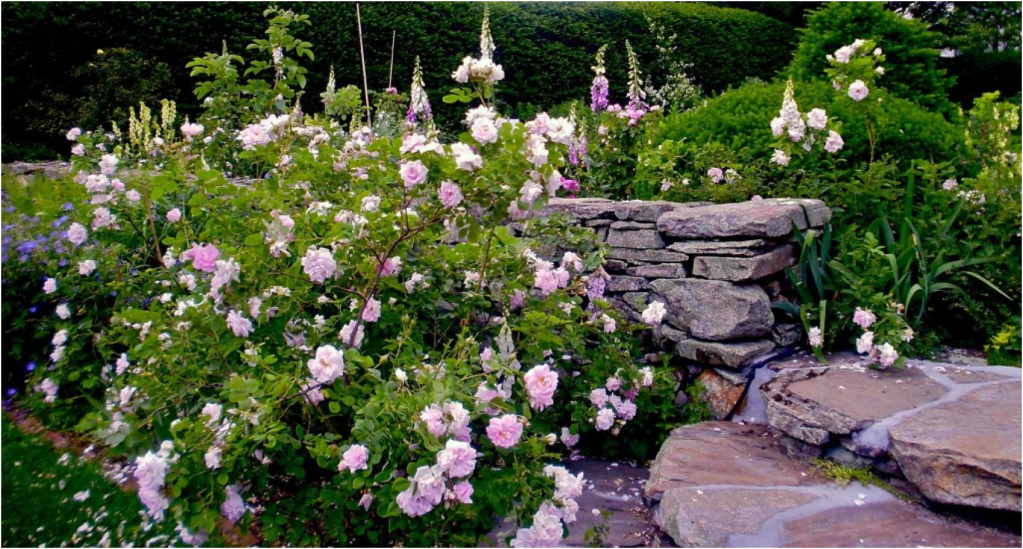
Meanwhile, by late summer, spring’s candy-colored mix of lilacs, lupines, columbines, and bleeding heart give way to lobelia, mullein, and mountain mint. The old roses that tumble over stone walls in June begin to bow out so that lilies, hyssop, and penstemon can steal the show.
Join us next time for another peek at pollinators in the garden, when we’ll take a closer look at selecting plants for hummingbirds. We’ll also head to the Webb-Deane-Stevens House in Wethersfield to chat with Master Gardener Rose Riley about the site’s historic garden and some of her favorite plants.
At the next Bellamy-Ferriday workshop in September, George will tell you everything you need to know about garden tools, including how to select the best ergonomic equipment. You’ll gain a newfound commitment to keeping those wooden handles well-oiled and those metal tools from rusting.
In October, George will show you how to divide perennials in your garden and explain proper techniques for plant propagation. He’ll discuss how to best prepare trees, shrubs, and flowers from potential damage caused by winter winds, freezing temperatures, and animals.
Come back again in November, when George and his wife, Carol, will offer a festive tutorial on how to create holiday wreaths using greens, flowers, pine cones, and natural materials. But, in the meantime, it’s still summer…. Go forth and enjoy your garden, or visit one of ours.
 jenevievecarlyn.com


